AEO Explained
What Is Answer Engine Optimization? AEO for Small Businesses
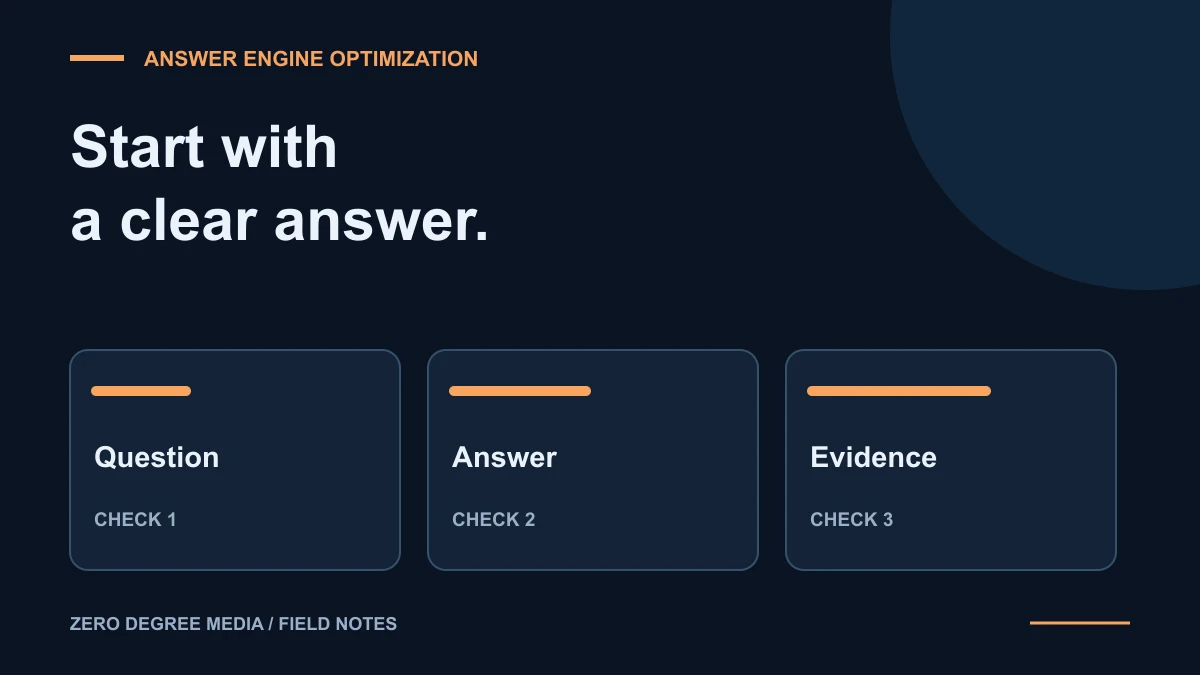
Answer engine optimization, usually shortened to AEO, is a term used for making information easier to discover and use in answer-based search experiences. For a small business, its most practical application is simple: answer the customer’s question clearly, support the answer, and make the next step easy to understand.
AEO is not a separate switch you can activate on a website. It also does not mean every page should be converted into a long FAQ list.
Start with questions from real sales conversations
Collect the questions customers ask before an estimate or booking. Which services do you provide? Where do you travel? What is included? What information do you need to quote? What happens after someone submits a form?
Group similar questions. A single pricing explanation can address why costs vary, what affects the scope, and how to get an estimate. You do not need a separate page for each wording of the same question.
Keep a short note about who can confirm the answer. Your office may own scheduling information, while the project lead can confirm installation scope. Writing without that input risks publishing a clear answer that happens to be wrong.
Turn a vague claim into a useful answer
Imagine a service page that says only, “We offer quality websites and excellent support.” A business owner still cannot tell what they will receive or what work remains their responsibility.
A stronger structure would explain the agreed pages, who supplies project photos, how feedback works, and which updates are included. It would identify additions that need separate scope and link to the relevant plan details.
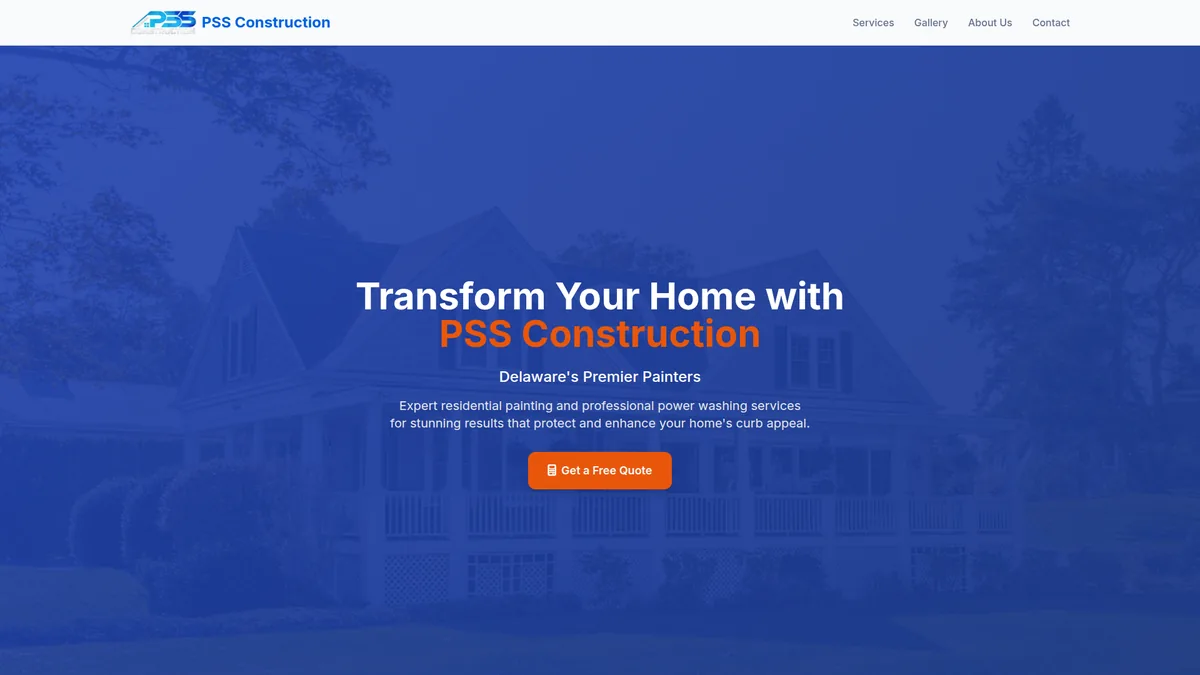
This is the structure used on our contractor website service page: the visitor can review scope, process, real examples, and ownership questions. It demonstrates an answer-first approach; it does not prove a particular answer-engine result.
Use four parts for an important answer
- Direct answer: Give the visitor the main point without making them read several introductory paragraphs.
- Conditions: Explain when the answer changes or what depends on inspection, scope, availability, or plan.
- Evidence: Add a relevant project, policy, or source that supports the claim.
- Next step: Tell the visitor what to do with the information.
For example, a tree-service page might explain which work the company accepts and what details it needs for an assessment. It should not promise a fixed quote from a photograph if the business requires an on-site inspection.
The same structure works in ordinary search and for people arriving through referrals. Its value should not depend on an AI tool quoting it.
Keep the answer readable and maintainable
Use descriptive headings, ordinary sentences, and links with meaningful labels. Put important facts in text that can be read without interacting with a complicated widget. Match structured data to what the page actually says.
Google’s AI-search guidance treats AEO and GEO as industry terms for work that overlaps with SEO. Do not pay for a new label without understanding the concrete changes being made.
Assign a review owner for information that changes. Hours, policies, service areas, and pricing conditions need attention when the business changes, not just when a marketing calendar asks for a new article.
Evaluate useful answers, not an invented score
Ask a person unfamiliar with your business to read a service page. Can they explain the service, the main limitations, and how to contact you? Their questions are useful editing feedback.
If you test an answer engine, record the question and the response rather than assuming a general “AEO score” describes every platform. A mention, a link, a visit, and an inquiry are different outcomes.
Pick one unanswered customer question and improve the page where it belongs. For help organizing those answers, talk to Zero Degree Media or read our AI-search visibility guide.